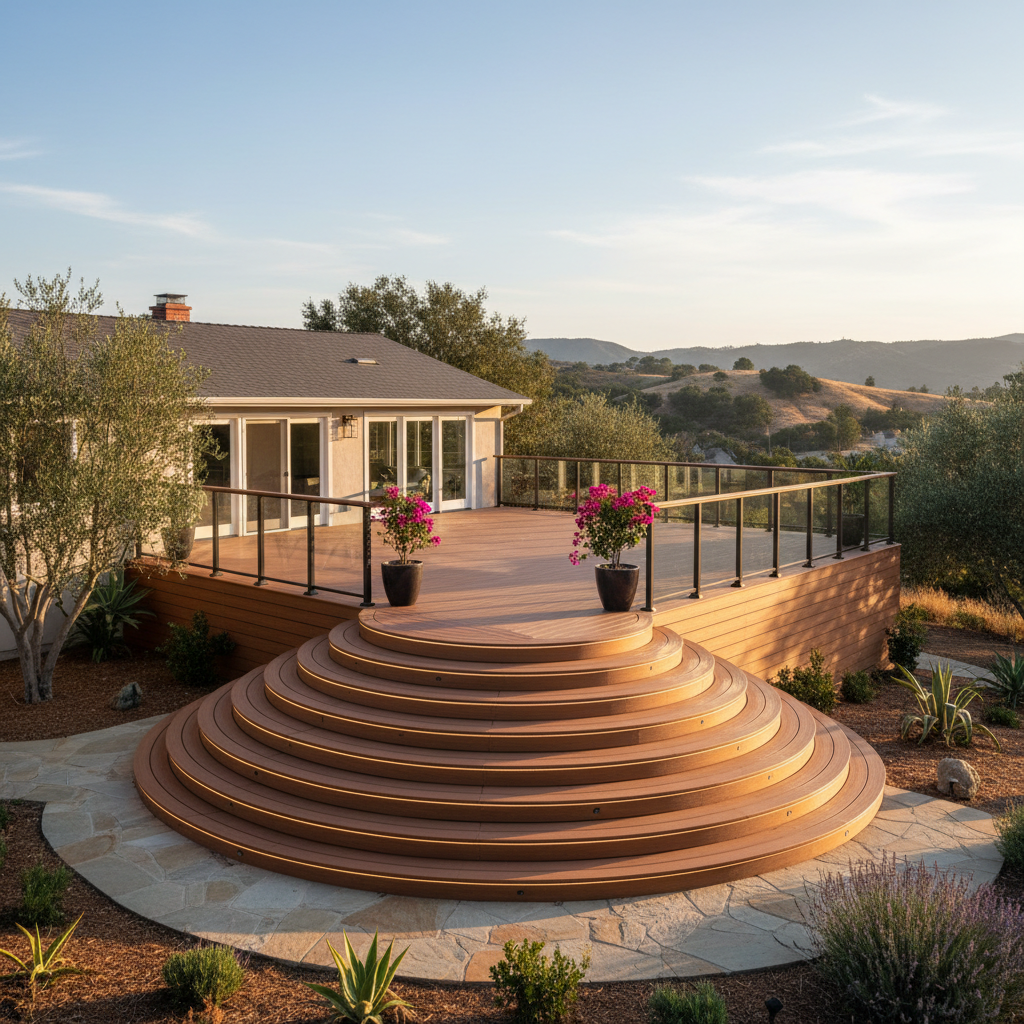
So, you're thinking about a composite deck for your Pasadena home. Good call! They're super low maintenance, look fantastic, and really hold up against the weather. But here in Southern California, 'the elements' can actually mean a few different things throughout the year, can't they? It's not just about picking out the right color; it's about smart planning to make sure your deck project goes smoothly and lasts for decades.
When's the Best Time to Build a Composite Deck?
People often ask me, "When's the best time to build?" My honest answer? It depends on a few things, but generally, spring and fall are prime time. Why? Well, composite decking materials, tough as they are, react to temperature changes. When we're cutting and installing, we've got to account for expansion and contraction. It's just science, really. If it's too hot, the material expands, and if we install it that way, it'll shrink in cooler weather, leaving bigger gaps than you'd want. Too cold, and the opposite happens.
Spring, usually March through May, is fantastic. The temperatures are mild, we get those beautiful clear days without the scorching heat, and the ground isn't super saturated from winter rains. Fall, from September through November, is also excellent for similar reasons. The summer heat has finally broken, and we're not yet into the heavier winter wet season.
Now, can we build in summer or winter? Absolutely, we do it all the time. But there are things to consider. In summer, especially those August and September heatwaves we get here in Pasadena, with temperatures often pushing into the high 90s or even triple digits, we have to adjust our schedule. We might start earlier in the day to beat the worst of the heat, and we're extra careful with how we handle materials. For winter, it's less about the cold and more about the rain. We can't install decking on a soaking wet sub-structure, and honestly, nobody wants to work in a downpour. We'll often tarp things off or schedule around the forecast.
Pasadena's Unique Weather & Your Deck
Our local climate is pretty unique, isn't it? We get those hot, dry summers, but also that "June Gloom" and "May Gray" that can stick around longer than you'd expect. And then there's the occasional Santa Ana wind event, which, while not directly impacting installation, certainly reminds you of the dry air and potential for dust. For composite decks, the biggest factors are temperature swings and UV exposure.
Composite materials are designed to resist fading and degradation from the sun, but consistent, intense UV rays, like what we get here year after year, still put them to the test. That's why choosing a high-quality composite is so important. I've seen cheaper materials fade or chalk up faster than homeowners expect. With Pasadena Deck & Porch, we only work with reputable brands that have proven their durability in our kind of climate.
Another thing to consider is our soil. Especially in areas like the San Rafael Hills, where you might have more clay content, proper drainage around your deck foundation is key. You don't want water pooling under there, even if your deck boards are composite. It can affect the substructure over time.
Protecting Your Investment Year-Round
The beauty of composite is its low maintenance, but "low" doesn't mean "none." A little bit of care goes a long way to keep your deck looking new for years.
- Regular Cleaning: Just like anything outdoors, dust, pollen, and leaves will pile up. A simple sweep and a wash with soap and water (or a composite deck cleaner) a few times a year is usually all it takes. For tougher spots, a soft-bristle brush works wonders.
- Watch for Mildew: Even in our dry climate, if you have areas that stay damp – maybe under a potted plant or in a shaded corner – you might see a bit of mildew. It's usually just on the surface and easily cleaned with a deck cleaner containing bleach (check your manufacturer's recommendations first!).
- Trim Overhanging Branches: If you've got big oak trees or sycamores overhanging your deck, keep them trimmed. Less debris means less cleaning, and it also reduces the chance of sap or bird droppings staining the deck.
- Protect from Furniture Scratches: Even though composite is tough, dragging heavy furniture can still leave marks. Use felt pads or outdoor rugs under heavy items.
- Snow (if we ever get it!): Okay, so snow isn't a regular thing here, but if by some miracle it does happen, use a plastic shovel to clear it, not metal, to avoid scratching the surface.
Ultimately, a composite deck is a fantastic addition to any Pasadena home. With a bit of foresight on scheduling and some basic year-round care, you'll have a beautiful, durable outdoor living space to enjoy for decades to come. If you're ready to talk specifics about your project, give us a call at Pasadena Deck & Porch. We're always happy to share our experience.